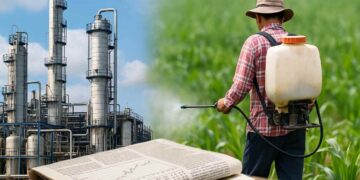





Pioneering Partnership to Develop Disease-Resistant Crops Using Advanced Gene Editing Technology
Syngenta Vegetable Seeds has entered into a strategic collaboration with Tropic, a leader in gene editing technology, to leverage Tropic’s GEiGS® platform (Gene Editing induced Gene Silencing). This partnership is set to explore the use of cutting-edge gene editing technologies to tackle disease resistance in key commercial crops, enhancing Syngenta’s diverse vegetable seed portfolio for farmers worldwide.
Innovative Technology for Sustainable Crop Development
The collaboration will combine Syngenta’s expertise in vegetable seed innovation with Tropic’s GEiGS® technology, which utilizes a powerful combination of precision gene editing and RNA interference (RNAi). This technology allows the development of resilient, disease-resistant crops that are more adaptable to evolving agricultural challenges, particularly in the context of climate change.
“As a world leader in vegetable seed innovation, we’re always evaluating the latest technologies to help us deliver better products to growers. We’re excited to partner with pioneering industry players like Tropic to develop sustainable crop products that address the challenges farmers face in the field and greenhouse,” said Uri Krieger, Global Head of R&D for Syngenta Vegetable Seeds & Flowers.
The partnership aims to rapidly respond to newly emerging disease threats, which are increasingly prevalent due to the changing climate, by utilizing GEiGS® technology as an advanced breeding tool.
Addressing Climate Change and Emerging Disease Threats
The collaboration comes at a time when the agricultural industry is facing an increasing number of disease outbreaks in crops, further exacerbated by climate change. Emerging diseases such as Powdery Mildew, Bacterial Wilt, and Fusarium Wilt are threatening global vegetable production, which has made it essential to develop disease-resistant varieties that are both economically viable and sustainable.
“Tropic’s GEiGS® technology is a hugely valuable platform that allows us to develop more resilient, disease-resistant crop varieties that are easier to cultivate, more profitable for farmers, and healthier for consumers—thereby benefiting the global food supply chain,” said Jack Peart, Chief Development Officer at Tropic.
This innovation will be crucial for the development of crops that can withstand disease pressures, reduce crop losses, and improve overall productivity, thereby ensuring a stable supply of vegetables for global markets.
Partnership Focus: Resilient, Profitable, and Healthy Crops
The ultimate goal of this collaboration is to create more profitable crops that are easier to grow, requiring fewer inputs and exhibiting better resistance to diseases. As climate change continues to challenge traditional agricultural practices, this partnership offers Syngenta and Tropic a unique opportunity to enhance global food security while ensuring crops are healthier for consumers and sustainable for farmers.
The synergy between Syngenta’s extensive breeding portfolio and Tropic’s innovative GEiGS® platform will help address the pressing challenges of global food production and strengthen the global food supply chain, benefiting farmers and consumers alike.
Export Dynamics and Global Impact
This collaboration also holds significant potential for the global agricultural market, especially in regions where disease resistance and climate adaptability are crucial for agricultural sustainability. As Syngenta continues to expand its vegetable seed portfolio globally, the development of disease-resistant crops through GEiGS® technology will have a far-reaching impact on international markets, particularly in areas like Latin America, Southeast Asia, and Africa, where climate-related challenges are most severe.
Looking Ahead: A Sustainable Future for Agriculture
As Syngenta and Tropic continue to work together on gene editing innovations, the long-term impact of this partnership is expected to shape the future of sustainable agriculture. By combining advanced biotechnology with proven expertise in seed breeding, the two companies aim to offer robust solutions to the evolving needs of farmers, ensuring that disease-resistant crops become an integral part of global food production systems.

