





INIA and FIA Advance Sustainable Citrus Farming with Smart Sprayer Technologies
Chile’s National Agricultural Research Institute (INIA), in collaboration with the Foundation for Agrarian Innovation (FIA), has unveiled a groundbreaking citrus crop initiative that enables up to 40% reduction in agrochemical use through optimized sprayer adjustments. With a total investment of US$173 million, the project aims to enhance the efficiency, sustainability, and economic viability of citrus farming, a sector covering 24,000 hectares and contributing 85% of the country’s citrus exports.
The initiative introduces an interactive digital platform hosted on the Chilean Citrus Committee’s “MIP Citrus” website. It supports precision agriculture by tailoring pesticide application based on atmospheric data, crop characteristics, vegetation density, and water quality.
Demonstration and Technical Impact
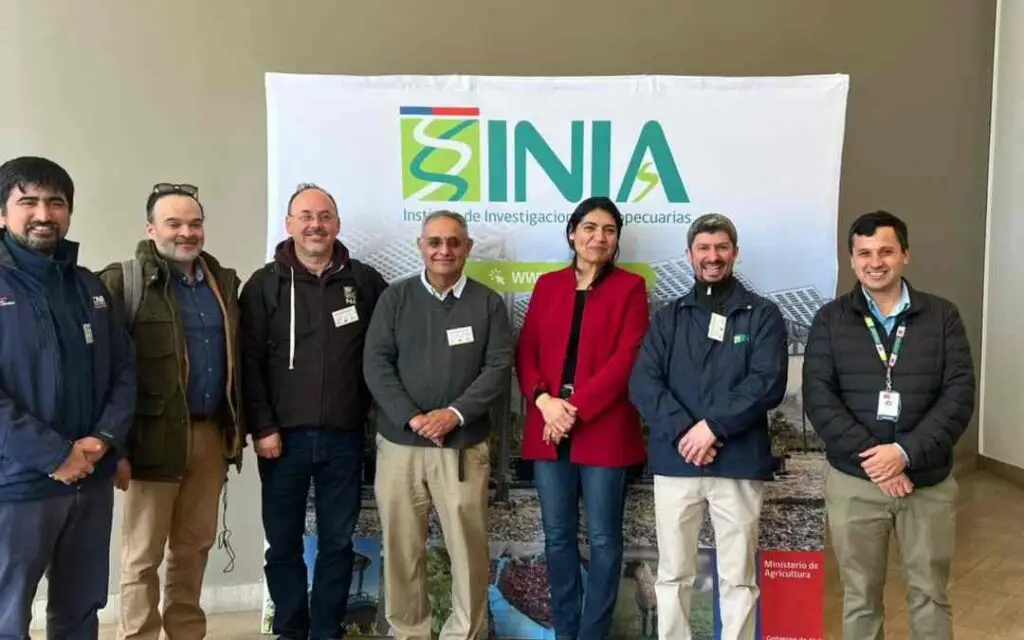
In a field demonstration at SFC Comercial’s citrus orchard, five leading sprayer manufacturers showcased their advanced equipment. The session, led by INIA’s Patricio Abarca and Prof. Emilio Gil of the Polytechnic University of Catalonia, illustrated how minor adjustments in nozzle settings, pressure, and speed can drastically reduce chemical use without compromising pest control.
Hydrosensitive paper tests revealed enhanced coverage and reduced environmental drift, showcasing cost savings and environmental benefits. Gil emphasized the importance of skilled operators and regulatory reform, suggesting Chile adopt EU-style sprayer inspection standards.
Domestic Market Impact
The project has strong domestic implications:
- Cost savings for farmers by reducing pesticide volumes and improving efficiency.
- Improved sustainability and compliance amid rising global and local environmental expectations.
- Knowledge transfer and training through manuals, field trials, and capacity-building efforts targeting advisors, farmers, and non-affiliated growers.
- Digital transformation of agriculture, positioning Chile as a leader in precision spraying and sustainable farming in Latin America.
Inspired by European Innovation
Modeled on Spain’s successful DosaCitric and CitrusVol platforms, Chile’s digital tool enables users to input key variables such as crop size, pest pressure, and weather conditions to receive customized application recommendations. It is designed for wide adoption across citrus-growing regions from Coquimbo to O’Higgins.
The project is backed by Frutas de Chile, the Citrus Committee, and multiple public-private stakeholders, aiming to modernize pest control and reduce chemical dependency.

