




Brazil Deploys Drones for GMO Sugarcane Field Monitoring in Groundbreaking Agricultural Initiative
By China Informatics
In a major step towards modernizing agricultural oversight, Brazil’s Ministry of Agriculture and Livestock (Mapa) has launched drone-assisted inspections of genetically modified (GM) sugarcane test fields in São Paulo. This marks a significant milestone in Brazil’s integration of precision agriculture technologies, especially in the monitoring of Genetically Modified Organisms (GMOs).
Following intensive training on drone operation, Mapa officials conducted their first unmanned aerial inspection this week in the Campinas region. High-resolution drones were deployed to map and evaluate experimental plots of GM sugarcane—currently restricted from commercial use and regulated under stringent biosafety protocols by Brazil’s National Biosafety Technical Committee (CTNBio).
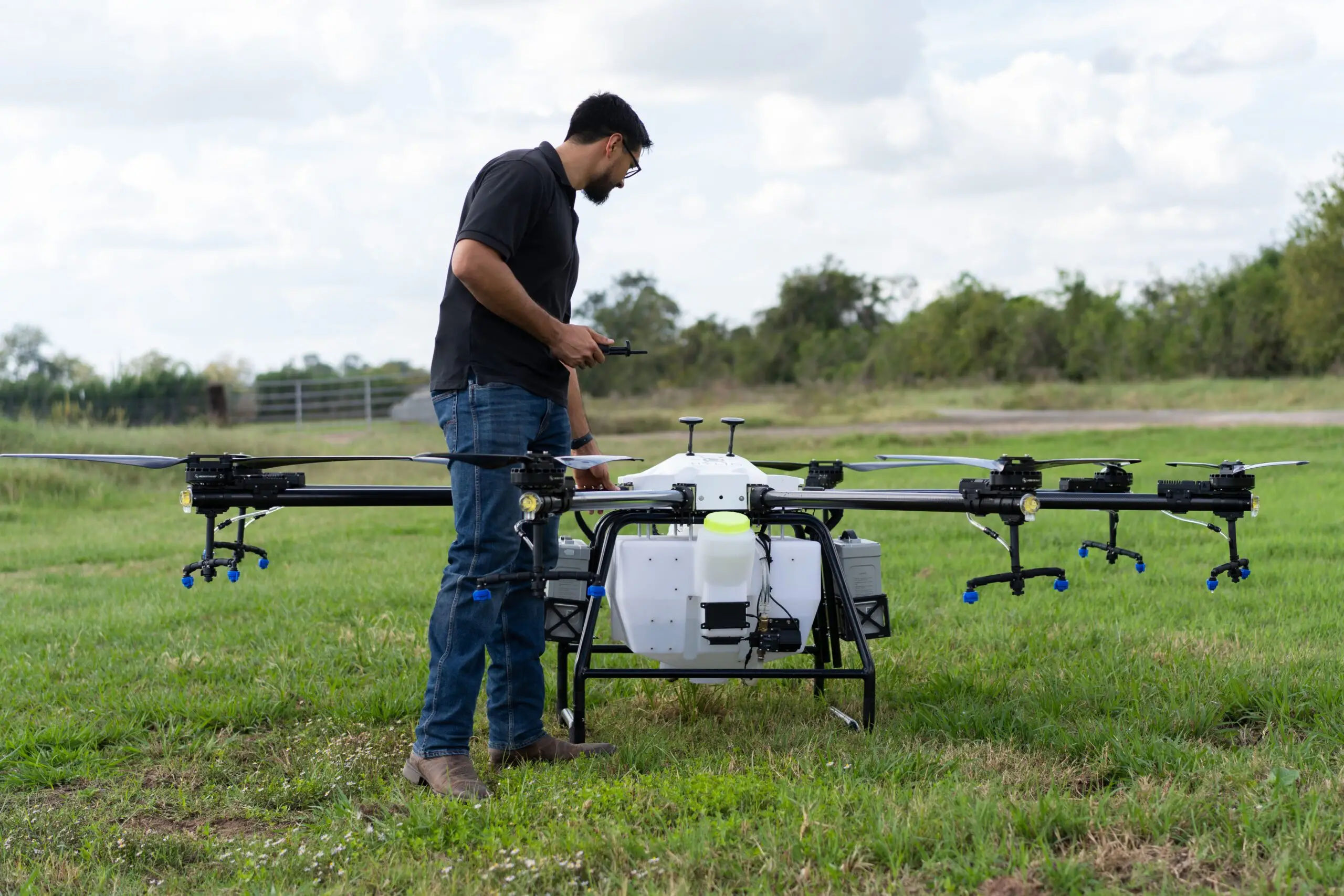
According to Patricia Schober, head of Mapa’s regional office, the incorporation of drone technology into inspection routines enhances the efficiency and technical accuracy of audits:
“The use of drones in GMO inspections makes the process more agile and effective, while also providing vital visual records. Ignoring such available technologies would be a lost opportunity.”
Advantages of Drone-Based Agricultural Inspection
-
Enhanced efficiency: Drones reduce the need for inspectors to physically navigate fields, lowering exposure to harsh field conditions and minimizing logistical demands.
-
Data accuracy: Images captured by the drones allow precise calculations of plant density, growth patterns, and compliance with cultivation boundaries.
-
Regulatory compliance: All drone operations are cleared by Brazil’s Department of Airspace Control (Decea) and registered with the National Civil Aviation Agency (Anac), ensuring full legal admissibility of collected data.
The São Paulo unit of Mapa will soon expand its fleet with two new drones, including one equipped with a thermal sensor for night-time and low-visibility inspections—allowing detection of temperature fluctuations and improving monitoring capabilities under varied environmental conditions.
Global Context: A Growing Trend in AgTech
Brazil’s adoption of drone technology reflects a broader international shift toward smart agriculture.
-
China: The Ministry of Agriculture and Rural Affairs has actively promoted drone usage in pesticide spraying, yield estimation, and pest monitoring. Companies like DJI have developed agricultural drones now used in rice, wheat, and corn fields across several provinces.
-
India: The government launched the “Drone Shakti” initiative under the Union Budget 2022-23, supporting drone startups and use in fertilizer distribution and crop surveillance.
-
United States: The USDA has conducted pilot programs for drone-assisted crop monitoring, especially in GMO corn and soybean fields. Drones have become vital tools in data collection for research and regulatory compliance.
-
European Union: EU countries, especially Germany and the Netherlands, are integrating drones with AI analytics to monitor GMO test fields under strict environmental and safety guidelines.
Looking Ahead
Brazil plans to scale up drone-assisted inspections in 2025, reinforcing its commitment to biosafety and innovation in agricultural practices. The expansion of drone use not only improves regulatory enforcement but also sets a precedent for sustainable and tech-driven farming in the region.
Genetically modified sugarcane in Brazil is often developed with traits such as herbicide tolerance, allowing for more efficient weed management. Monitoring these GMO crops ensures that biosafety regulations around herbicide-tolerant varieties are strictly followed

