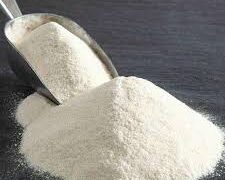





In 2024, China’s methionine export volume soared by 68.51% YoY to 260,032 tons, with export value climbing 86.08% YoY to USD 601.52 million. While methionine production continues to grow, domestic demand remains high as China, the world’s largest feed producer, still struggles to meet local market requirements, with over 90% of methionine used in animal feed.
From January to December 2024, China’s methionine imports reached 159,820 tons, a slight decrease of 2.17% YoY, while the import value grew by 8.52% YoY to USD 375.66 million. The top five destinations for China’s methionine exports in 2024 were Germany (8,799 tons), Brazil (3 35,251 tons), Russia (23,294 tons), Vietnam (14,232 tons), and Indonesia (13,087.03 tons).
Supply & Demand Trend
The global methionine production capacity for 2024 is estimated to be 2.249 million tons, a 4.6% YoY decline, with China’s capacity at 736,000 tons, down 5.2%. Global methionine demand in 2024 is projected at 1.7 million tons, a 6.3% YoY increase, with domestic demand in China growing by 4.7% to 450,000 tonnes, driven by the profitability of poultry farming and increased feed methionine use.
Key companies in China’s methionine industry include Zhejiang NHU (002001), Adisseo (600299), and Hebang Biotechnology (603077). According to their latest financial reports:
- Zhejiang NHU’s subsidiary, Shandong NHU Amino Acid Co., posted a net profit of RMB 2.267 billion, up 114.81% YoY in 2024
- Adisseo saw a 24% sales increase in methionine, despite rising raw material costs, leading to higher gross margins in 2024
- Hebang Biotechnology’s methionine and by-products contributed CNY 558.96 million in revenue, representing 10.63% of total revenue in H1 2024

