




White House Lifts Tariffs on Essential Nutrition Ingredients
In a policy shift with global implications, the White House has released a revised list of goods exempted from Global and Reciprocal Tariffs, notably including vitamins, amino acids, minerals, CoQ10, and several other critical ingredients used across the dietary supplements industry.
The exemption move is part of a broader trade recalibration aimed at stabilizing health and nutrition markets post-COVID-19 while mitigating inflationary pressures on consumer products. The revised list follows multiple industry petitions led by U.S. and international trade groups seeking relief from escalating input costs in the nutrition and wellness sector.
Key Ingredients Covered: Vitamins, Amino Acids, and CoQ10
Among the most impactful exemptions are:
- Vitamins A, B-Complex, C, D, and E
- Essential amino acids like L-glutamine, L-carnitine, and L-lysine
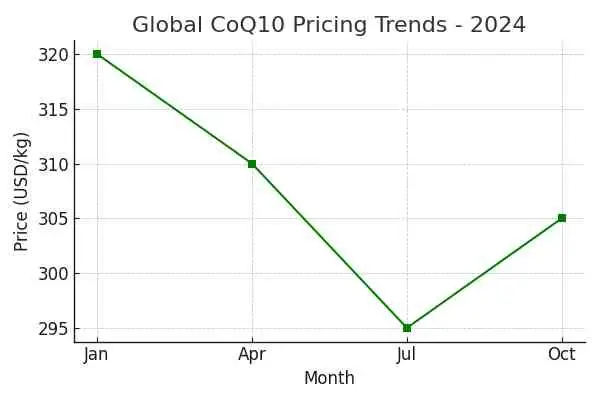
- Coenzyme Q10 (CoQ10)
- Chelated and trace minerals (such as magnesium citrate, zinc picolinate)
These ingredients are pivotal not only in dietary supplements but also in functional food, sports nutrition, and pharmaceutical-grade applications.
According to the Council for Responsible Nutrition (CRN), the tariff waiver will boost affordability for supplement producers and consumers alike, potentially lowering end-user prices on finished health products.
China’s Role and Global Trade Dynamics
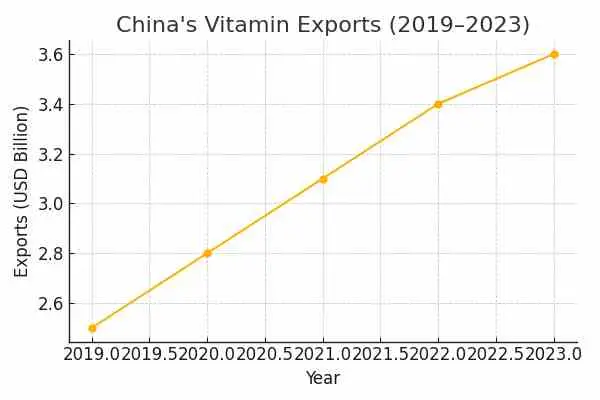
China remains the world’s largest producer and exporter of many exempted ingredients, particularly amino acids and vitamins. In 2023, China exported over $3.6 billion worth of dietary ingredients globally, with the U.S. accounting for 29% of these imports.
China’s leading producers such as NHU, Zhejiang Medicine, and Tonghua Dongbao are likely to benefit from improved export logistics, increased demand, and renewed partnerships with U.S. distributors.
Meanwhile, Germany, Japan, and India continue to serve as key exporters of pharmaceutical-grade CoQ10 and specialty minerals.
Global Market Outlook: Supplement Industry to Hit $290 Billion by 2033
The global dietary supplement market is forecasted to grow from $179 billion in 2023 to $290 billion by 2033, driven by:
- Aging populations
- Rise in preventive healthcare
- Fitness and wellness trends
- Nutraceutical innovation
The tariff relief is expected to accelerate this growth, particularly in the North American and Asia-Pacific regions, which are already key consumption hubs.
Summary Impact for Stakeholders
- Manufacturers: Reduced raw material costs, increased sourcing flexibility
- Consumers: Potential stabilization or reduction in supplement pricing
- Trade Partners: Improved U.S.-China trade ties in the nutraceutical space
- Investors: Renewed confidence in supplement sector resilience
the leading global amino acid producers include:
- Ajinomoto Co., Inc. (Japan): A leader in amino acid production, specializing in food, pharmaceutical, and industrial applications.=
- Evonik Industries AG (Germany): A major producer of essential amino acids for animal nutrition, particularly methionine.
- Kyowa Hakko Bio Co., Ltd. (Japan): Known for its advancements in fermentation technology and pharmaceutical-grade amino acids.
- Meihua Holdings Group Co., Ltd. (China): A significant player in the production of amino acids, including lysine and glutamic acid.
- Fufeng Group (China): One of the largest producers of monosodium glutamate (MSG) and amino acids globally.

